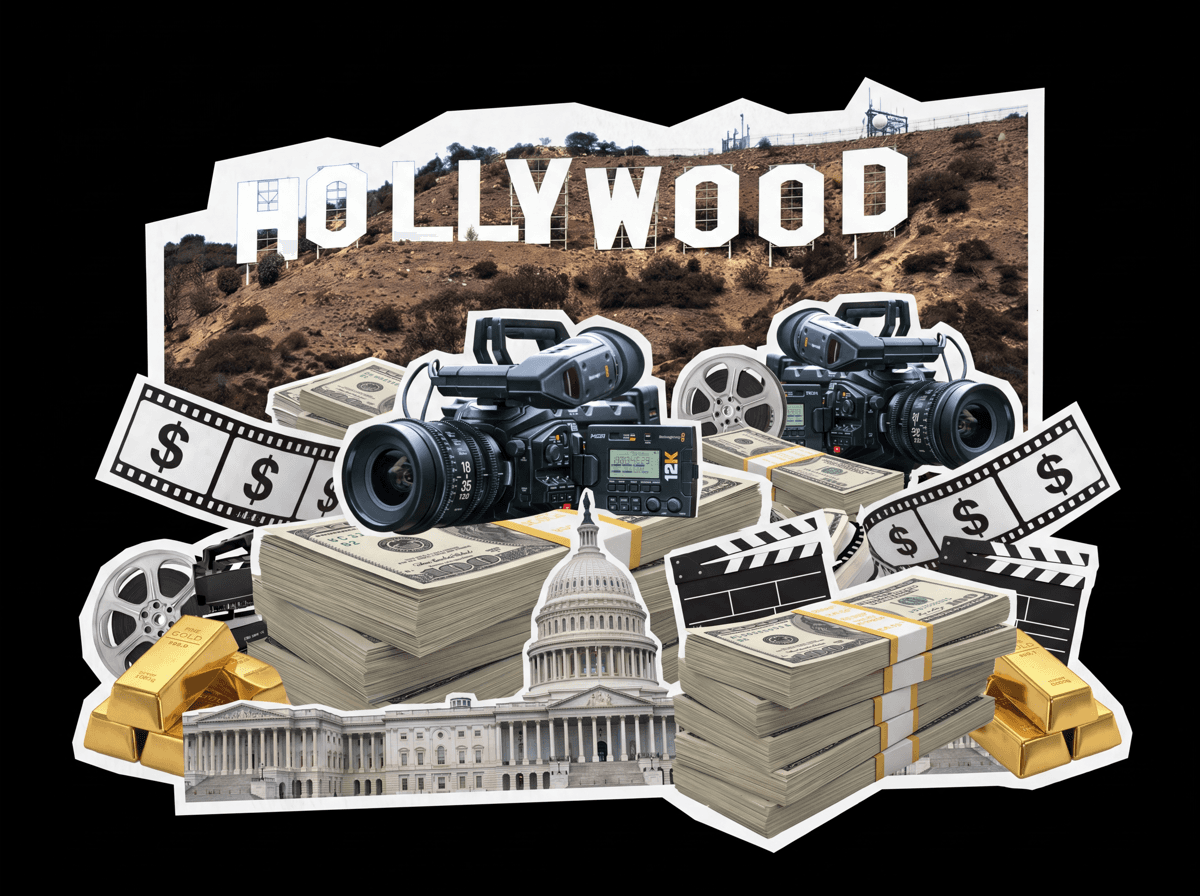
Every great story starts somewhere, and states across America are betting billions that it starts with them. Film incentives aren't just about glamour; they're about real jobs, real communities, and real economic futures. The entertainment industry is one of the most powerful engines of local growth the modern economy has ever seen.
Lights, camera, economic action. Across the United States, state governments are making bold, billion-dollar bets on Hollywood, and the payoff is being felt far beyond the red carpet. From production assistants to caterers, from set builders to local hotels, the film and television industry is quietly transforming local economies in ways that few industries can match.
The Race to Attract Hollywood
Film and television production incentives have become one of the most competitive arenas in modern economic policy. States are offering tax credits, rebates, and grants to lure productions away from traditional hubs like California and New York. The result is a booming creative economy spreading into states that were once off the industry's radar entirely.
Which States Are Leading the Charge
Georgia, New Mexico, and Georgia have emerged as some of the biggest winners in this race, building robust local industries that now rival traditional entertainment capitals. Their success stories share a common thread: sustained investment, competitive incentives, and a commitment to building lasting infrastructure rather than chasing one-time productions.
Georgia's film industry now generates billions in annual economic impact
New Mexico has attracted major streaming platform productions and studio investment
States like Illinois and Pennsylvania are rapidly expanding their creative sector workforces
Smaller states are finding niche success by targeting independent productions
Real Jobs for Real People
Beyond the headline numbers, the human impact of this investment is extraordinary. A single major production can employ hundreds of local workers, many of whom build long-term careers in the industry as their state's reputation grows. Electricians, makeup artists, location scouts, drivers, and dozens of other skilled tradespeople find sustainable, well-paying work that simply didn't exist in their communities a decade ago.
The Ripple Effect on Local Economies
The benefits extend well beyond the film set. When a major production arrives, local restaurants, hotels, hardware stores, and service businesses all feel the surge. Communities develop new identity and pride as their locations become recognizable on screens around the world, driving tourism and attracting further investment long after the cameras stop rolling.
Building a Sustainable Creative Future
The smartest states aren't just chasing productions, they're building ecosystems. Film schools, training programs, and purpose-built studio facilities are turning short-term incentives into long-term competitive advantages. These investments signal to the industry that a state is serious, reliable, and ready to be a true creative partner for decades to come.
Final Thoughts
The story of states courting Hollywood is ultimately a story about vision, the belief that creativity and community can grow together in powerful, lasting ways. As more states step boldly into this space, the opportunities for local workers, businesses, and dreamers continue to multiply. The next great American story might just be filmed right in your backyard.